Xinhua
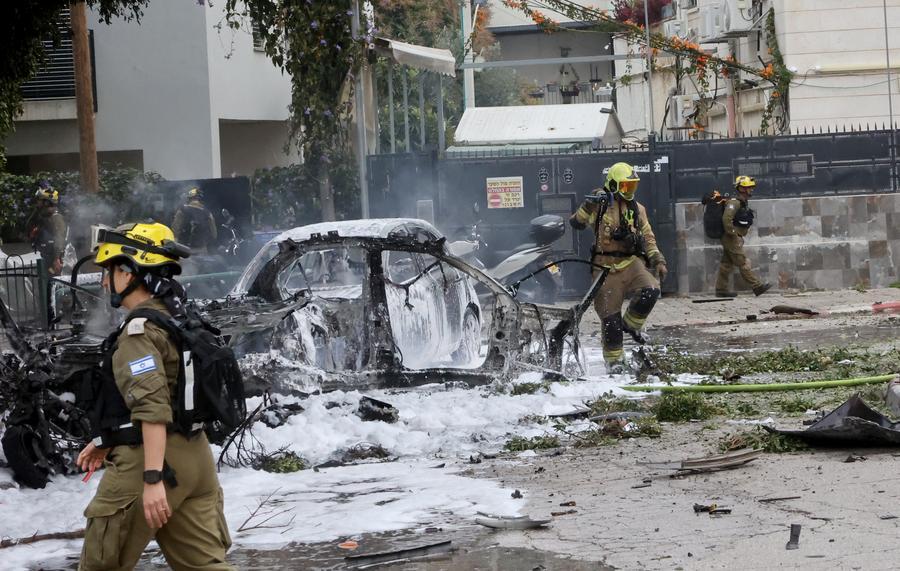
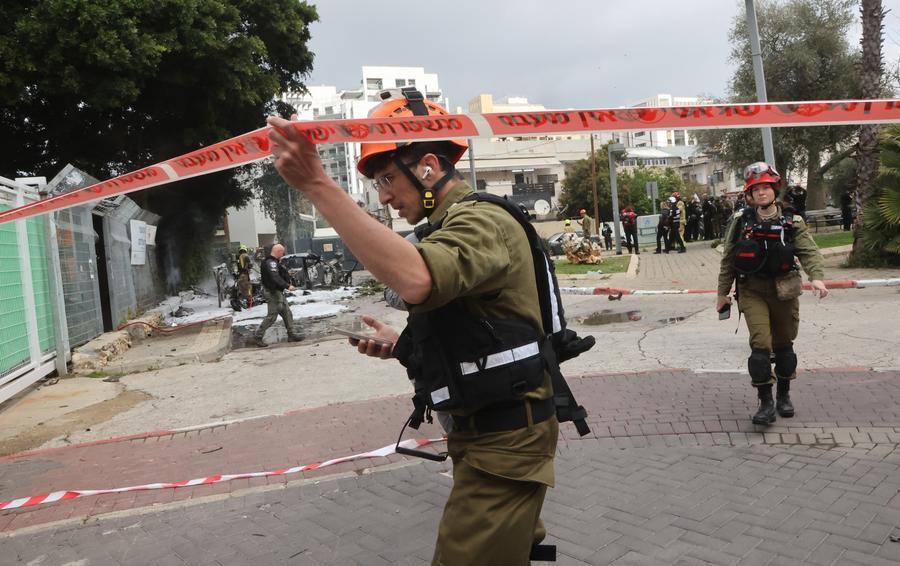
Tel Aviv, Israel’s largest city, has come under repeated attacks from Iranian drones and missiles. The city serves as Israel’s main financial and economic hub, generating roughly half of the country’s gross domestic product.

Xinhua
Tel Aviv, Israel’s largest city, has come under repeated attacks from Iranian drones and missiles. The city serves as Israel’s main financial and economic hub, generating roughly half of the country’s gross domestic product.

Xinhua
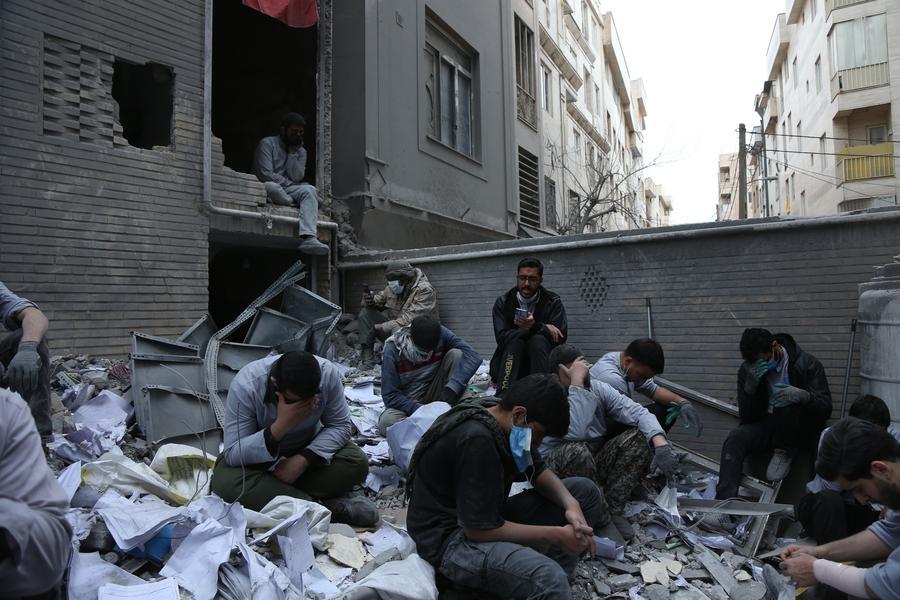
Gulf states, home to several U.S. military bases, have faced waves of missile and drone attacks since the outbreak of the joint U.S.-Israeli strikes on Iran on Feb. 28, with some bases targeted and sustaining damage.
Regional experts and scholars have taken varied positions on the U.S. military presence. While some argue that the bases help maintain a regional deterrence balance, others believe that such deployments instead expose the states to retaliation and heighten security risks.
DAMAGE TO U.S. MILITARY BASES
Qatar — Al Udeid Air Base in Qatar, the largest U.S. military command center in the Middle East, has been hit by multiple missile and drone attacks since Feb. 28, including from Iran. While Qatari defenses intercepted many threats, at least one missile or drone impact was reported, causing explosions.
Kuwait — At least six satellite communication radomes at Camp Arifjan, a key U.S. logistical hub in Kuwait, were destroyed, likely impacting U.S. Central Command networks, according to reports. The site, along with Camp Buehring, sustained damage from missile strikes, featuring multiple craters and burnt areas near facilities.
Bahrain — Iran’s Islamic Revolution Guards Corps said on Thursday its Navy has hit the headquarters of the U.S. Fifth Fleet in Bahrain’s Mina Salman port with missiles and drones. It added that it carried out precision strikes with its kamikaze drones as well as cruise and ballistic missiles against an anti-drone system and a depot of remotely operated underwater vehicles, among others.
The United Arab Emirates — Satellite imagery indicates Iran’s attacks on Al Dhafra Air Base, located south of Abu Dhabi in the United Arab Emirates (UAE), caused significant damage to infrastructure. A compound, satellite systems, and radar equipment were damaged, according to reports.
VARIED STANCES
Charbel Barakat, head of international news department at Kuwait’s Aljarida newspaper, said that recent conflicts in the region have highlighted the limits and unpredictability of U.S. security guarantees, prompting Gulf states to reassess their defense strategies.
Qatari political analyst Anas bin Ziyad said that the U.S. military bases in the Gulf were originally established within security arrangements that emerged after major transformations in the region.
Anas said that, however, recent developments have revealed a more complex dimension. On one hand, the U.S. military presence has contributed for decades to maintaining a regional deterrence balance. On the other hand, the escalation of regional conflicts and the transformation of some bases into launch points for military operations have made them part of the conflict equation itself.
The Qatari analyst added that the issue is not purely military; it also has political and strategic dimensions. Heavy reliance on an “external security umbrella” may sometimes limit the ability of states to develop more independent security approaches, while also linking regional security to the fluctuations of international politics, he said.
FUTURE STRATEGIES
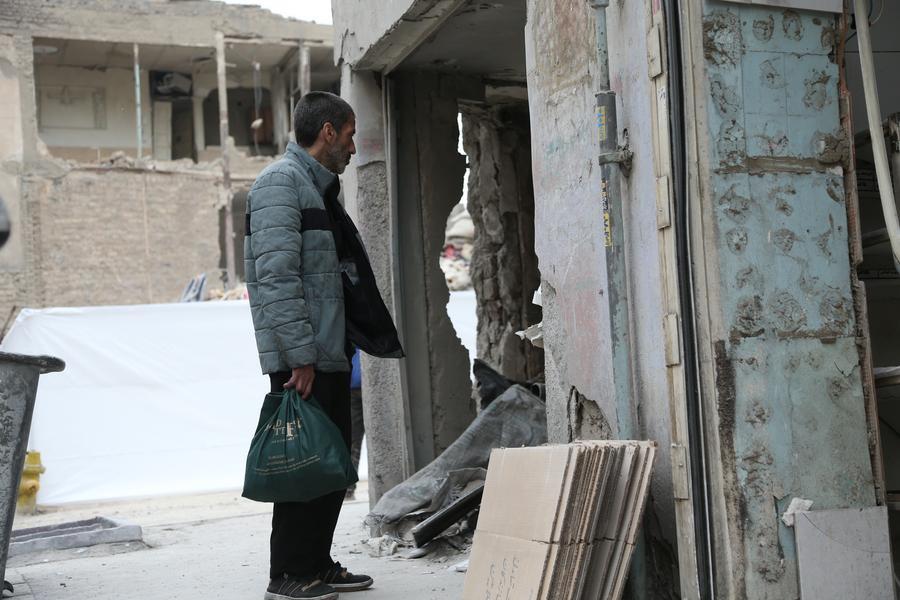
Emirati journalist Mohammed Al-Hammadi said that the ongoing war in the region has raised fundamental questions about the role of foreign military bases and the future of defense strategies in the Gulf states, emphasizing that balancing international partnerships with the strengthening of national capabilities has become the most realistic option.
Hamad Al Hosani, director of the Political Islam Studies Department at TRENDS Research & Advisory in Abu Dhabi, said that the UAE’s defense strategy will likely evolve along three parallel tracks: strengthening national defense capabilities, expanding regional defense cooperation, and maintaining strategic partnerships with global allies.
Hosani added that the balanced approach enables the UAE to ensure security and stability without relying exclusively on any single external power.
Saudi scholar Fahad Araeshi also noted that, to further enhance security, Saudi Arabia is pursuing a broader strategy of diversifying its defense partnerships.
Xinhua –
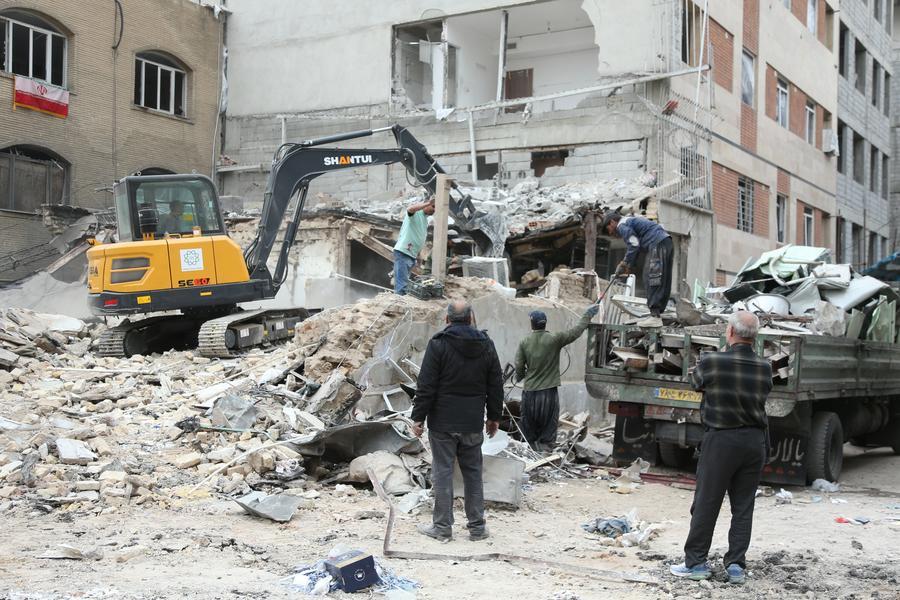
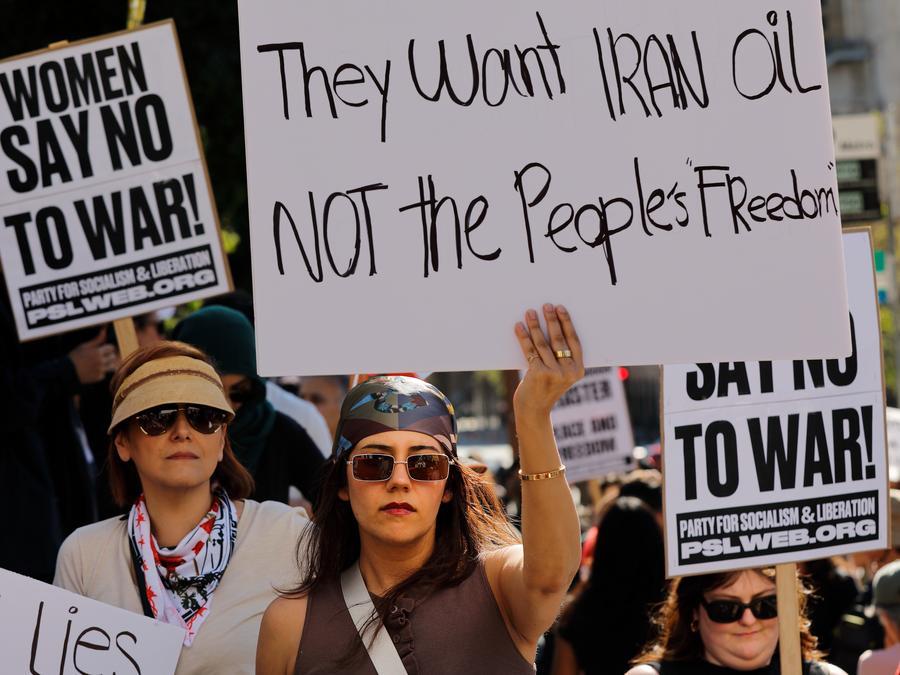
The U.S.-Israel-Iran conflict entered its 17th day on Monday, marked by intensified military actions, including Israeli ground operations in Lebanon and a widening scope of strikes, as regional nations grappled with escalating casualties and infrastructure attacks while renewing calls for de-escalation.
The following is a brief overview of the latest developments on the escalating crisis affecting nearly all regional countries and beyond.
The United States
— U.S. President Donald Trump said he has demanded about seven countries send warships to keep the Strait of Hormuz open as Iranian strikes continued to rain down on Gulf countries. Several U.S. allies then said they have no immediate plans to send ships to unblock the waterway.
Trump later said the United States does not require help from other countries to deal with the reopening of the strait, but still criticized some long-standing U.S. allies for not being “enthusiastic” about his call.
Israel
— Israeli forces launched “targeted” ground operations against Hezbollah strongholds in southern Lebanon, the Israel Defense Forces said, opening a new front in a widening regional conflict.
— The Israeli army said it has destroyed an aircraft used by Iran’s top leadership at Tehran’s Mehrabad Airport, and destroyed the headquarters of the Iranian Islamic Revolution Guard Corps’ Navy in eastern Tehran.
— The Israel Police said that it found missile and interceptor fragments, some of large size, in the Old City of Jerusalem, including the Al-Aqsa Mosque compound.
Iran
— Iran’s Foreign Minister Seyed Abbas Araghchi said Tehran has neither sought a ceasefire nor negotiations with the United States.
— An Iranian government spokesperson claimed that U.S.-Israeli strikes have killed 226 women, 204 children, and damaged more than 61,000 civilian units.
— Iran’s Minister of Cultural Heritage, Tourism and Handicrafts Seyed Reza Salehi-Amiri said no damage has been caused to the country’s depositories for protecting historical artifacts, according to the official news agency IRNA.
Iraq
— The Iraqi Civil Aviation Authority announced a further 72-hour extension of the country’s airspace closure, citing ongoing regional tensions.
— The Iraqi Shiite militia Kata’ib Hezbollah announced the death of its security official, Abu Ali al-Askari, and named a successor to the post.
— Iraq’s paramilitary Popular Mobilization Forces said six of its members were killed and four others wounded in an Israeli airstrike in the western province of Anbar.
— AFP reported two drones attacking Majnoon oil field, a major southern Iraqi oil field, with one hitting a telecommunication tower and the other targeting the offices of a U.S. firm operating at the site, adding that there has been no damage.
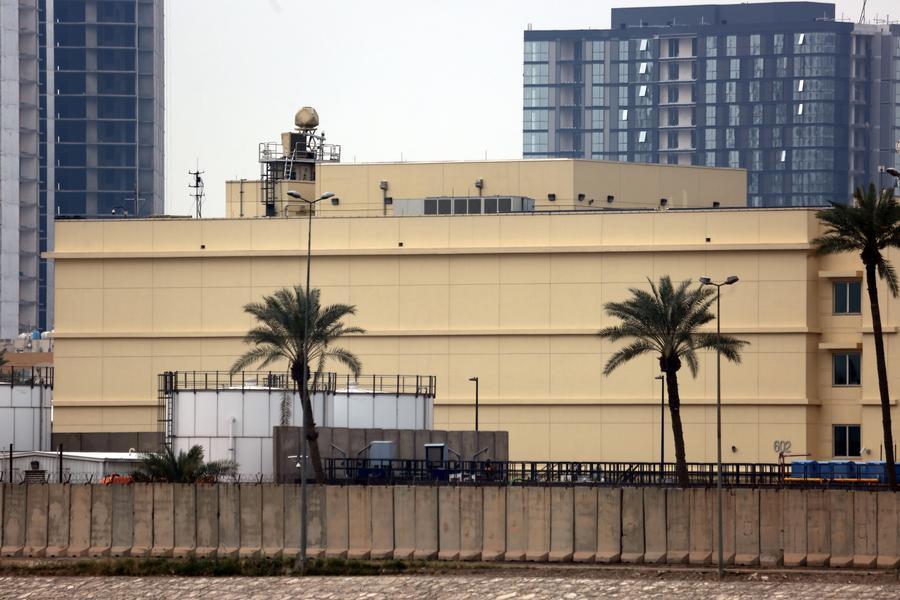
— An Iraqi security source said a booby-trapped drone struck the upper floors of the Royal Tulip al-Rasheed Hotel in central Baghdad, with no injuries or damage reported.
Oman
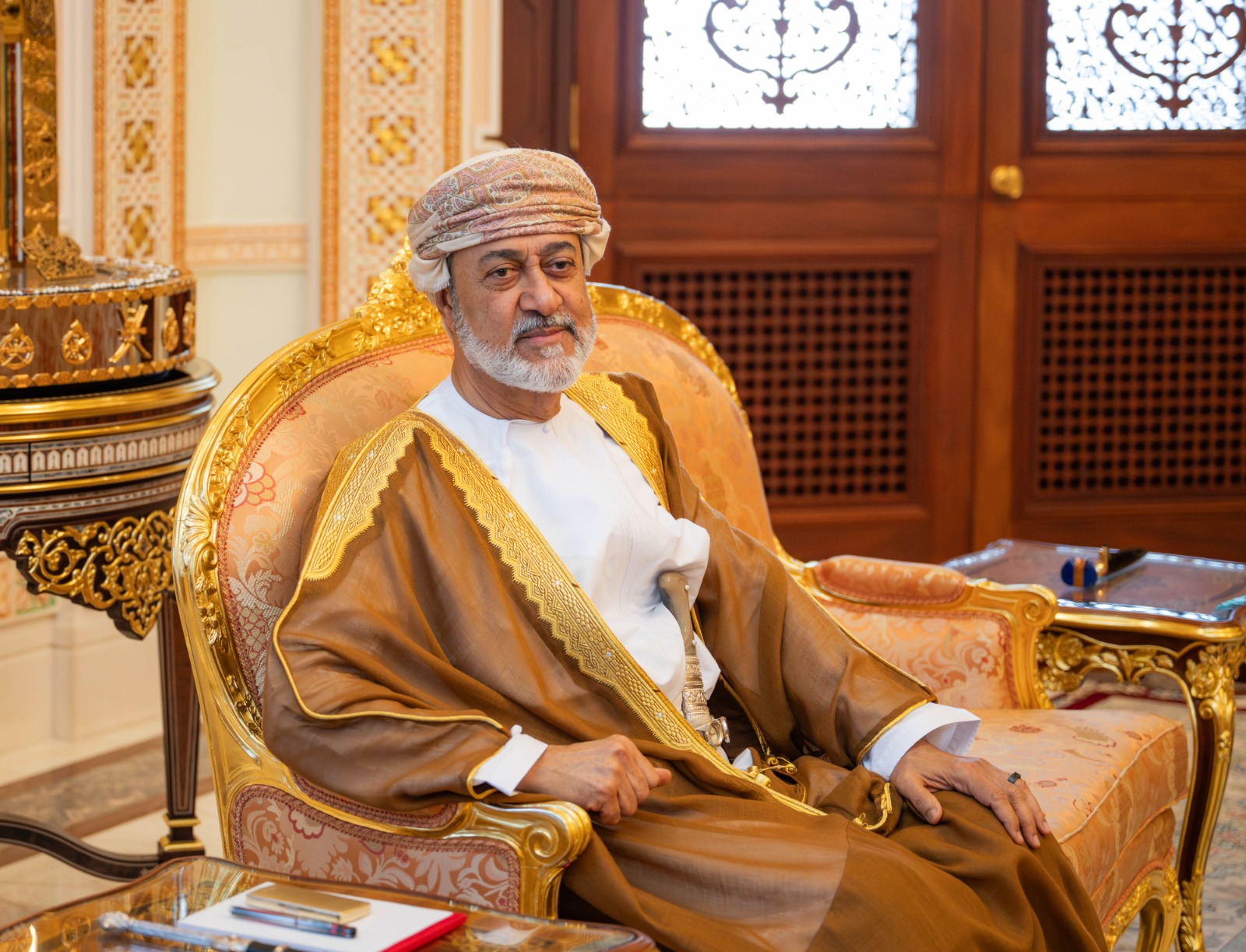
— Oman’s Sultan Haitham bin Tariq Al Said met with visiting Egyptian Foreign Minister Badr Abdelatty, with both sides stressing the importance of coordinating regional and international efforts to contain tensions and de-escalate the situation.
The United Arab Emirates
— A drone struck a building in the emirate of Umm Al Quwain, sparking a fire but causing no casualties, the emirate’s media office said. Separately, a fire at a petroleum facility in Fujairah following a drone attack was also contained, authorities said. Later in the day, Abu Dhabi authorities said a drone strike triggered a fire at the Shah oil field, with no injuries reported.
— The UAE Defense Ministry said Iranian missile and drone attacks have killed seven people in the country, including two military personnel and five civilians, since Feb. 28, and injured 145 people of various nationalities, with injuries ranging from minor to severe.
Jordan
— Jordan’s King Abdullah II met with UAE President Sheikh Mohamed bin Zayed Al Nahyan, stressing the need to halt escalation and prioritize dialogue to address regional challenges.
— During the meeting between Jordan’s Deputy Prime Minister and Foreign Minister Ayman Safadi and Egyptian Foreign Minister Badr Abdelatty, both senior officials said that attention to tensions with Iran must not overshadow the situation in Gaza, calling for implementing the Gaza peace plan and halting Israeli measures in the West Bank.
Lebanon
— At least seven people, including two children and two paramedics, were killed in a series of Israeli airstrikes across southern Lebanon, Lebanese officials said.
— Hezbollah said its fighters repelled Israeli advances throughout the day, striking a Merkava tank north of the Khiam detention center with a guided missile and hitting an Israeli troop gathering near the Kfar Yuval settlement with rockets.
— The death toll from Israeli attacks on Lebanon has risen to 886 since March 2, with 2,141 people injured, the Lebanese Public Health Ministry said. Official data also showed that the number of internally displaced people in Lebanon due to the conflict with Israel has surpassed 1 million.
Britain
— British Prime Minister Keir Starmer said Britain is working with allies on a “viable plan” to reopen the Strait of Hormuz, stressing that restoring freedom of navigation in the key waterway is “not a simple task.” He also said reopening the strait will not be a NATO mission.
France
— French President Emmanuel Macron said Sunday that it is “unacceptable” for France to be targeted amid the regional escalation following joint U.S.-Israeli strikes on Iran. He said he had called on Iran to immediately end the attacks it has carried out against countries in the region, whether directly or through proxies.
Macron also reiterated that freedom of navigation in the Strait of Hormuz must be restored as soon as possible.
Sahar Ragab
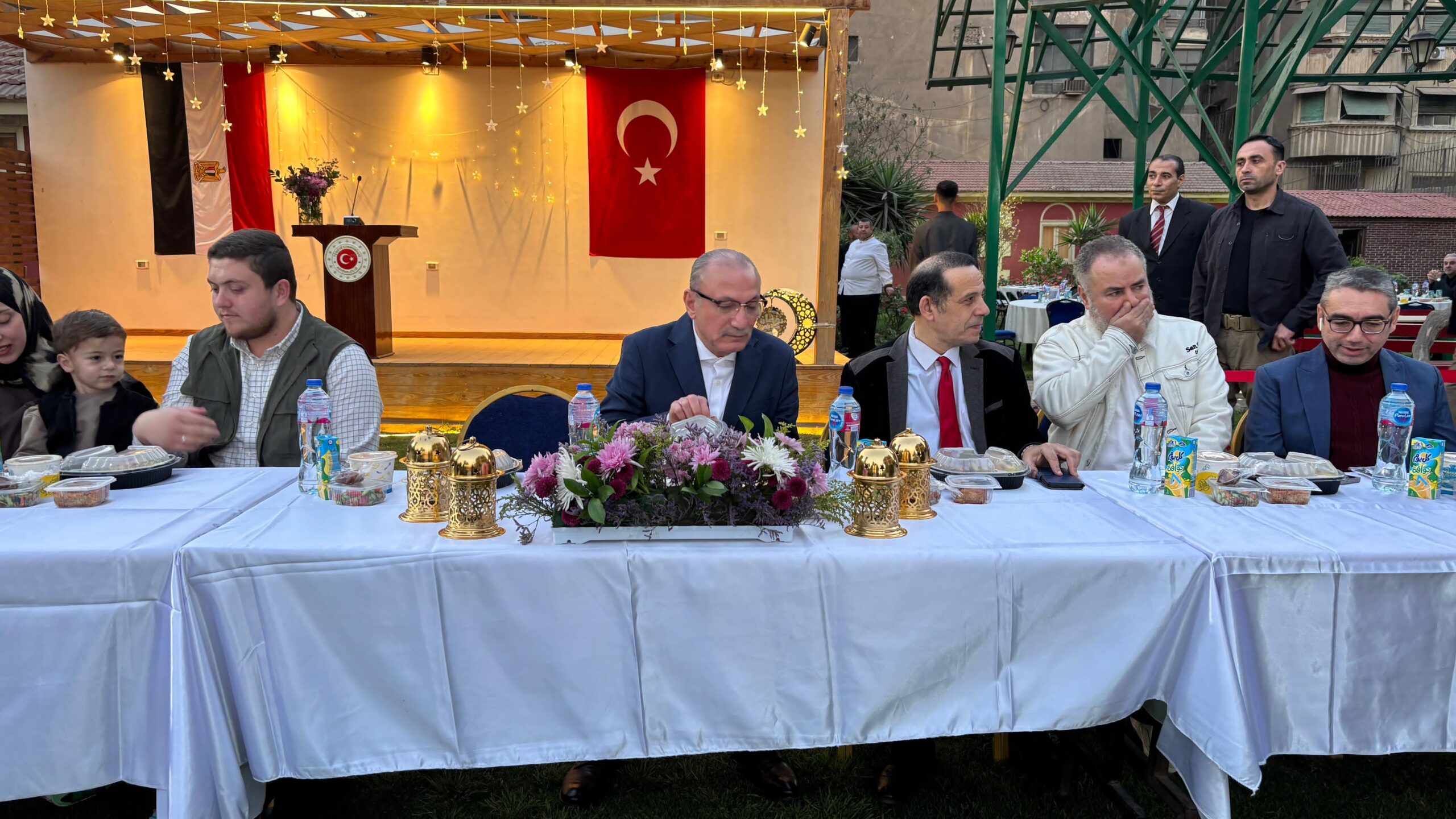
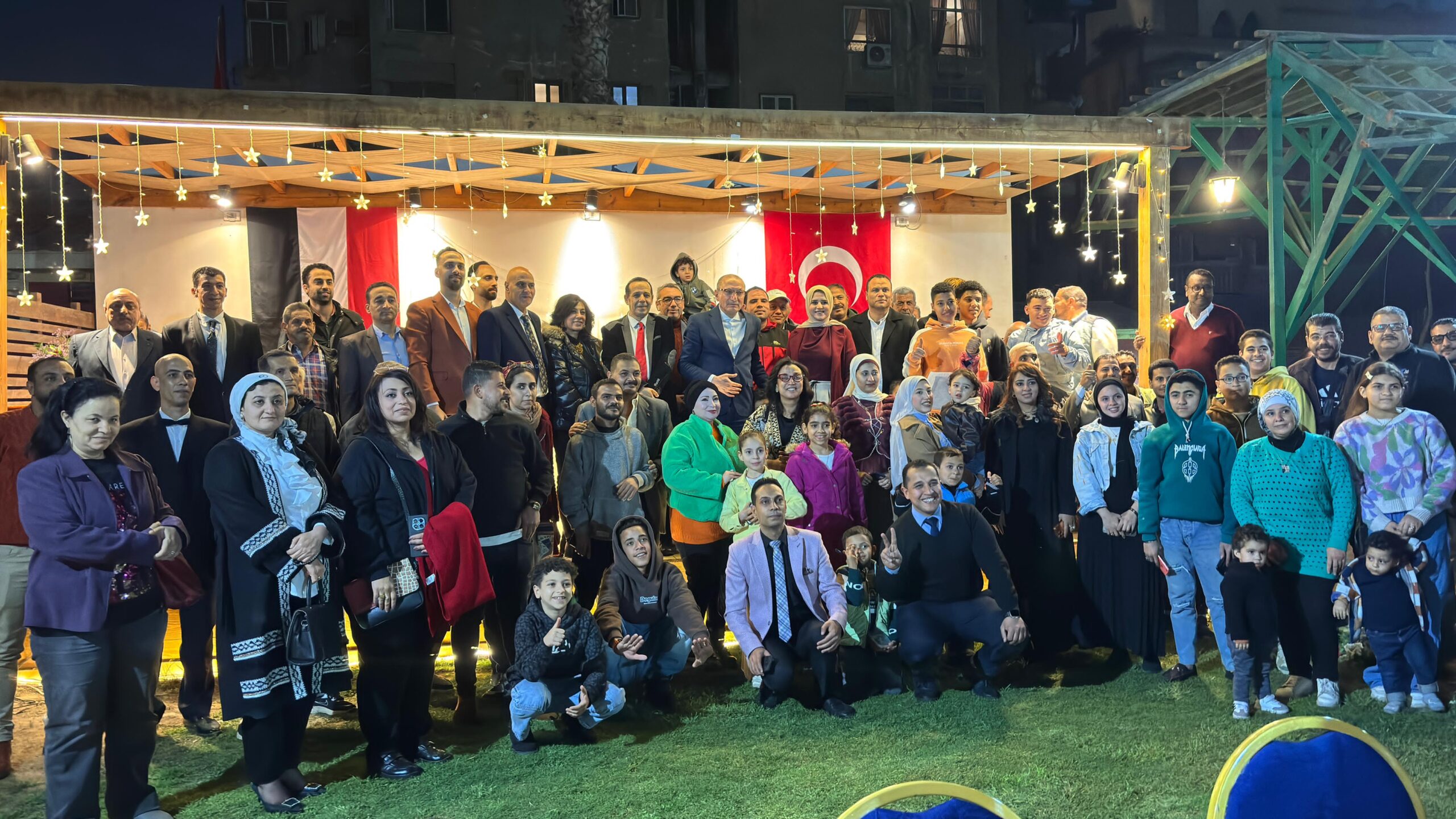
The Embassy of the Republic of Turkey in Cairo organized a Ramadan Iftar program in honor of Laylat al-Qadr, hosting approximately 250 invited guests, including prominent Egyptian figures as well as representatives from the press and media. The event reflected a spiritual atmosphere alongside messages of humanitarian and political solidarity.
The Iftar was held at the residence of the Turkish Ambassador in Cairo, in cooperation with the “Aziz Mahmoud Hedayati” Foundation. Guests gathered in a special Ramadan ambiance to celebrate Laylat al-Qadr, a night of profound significance in the Islamic world.
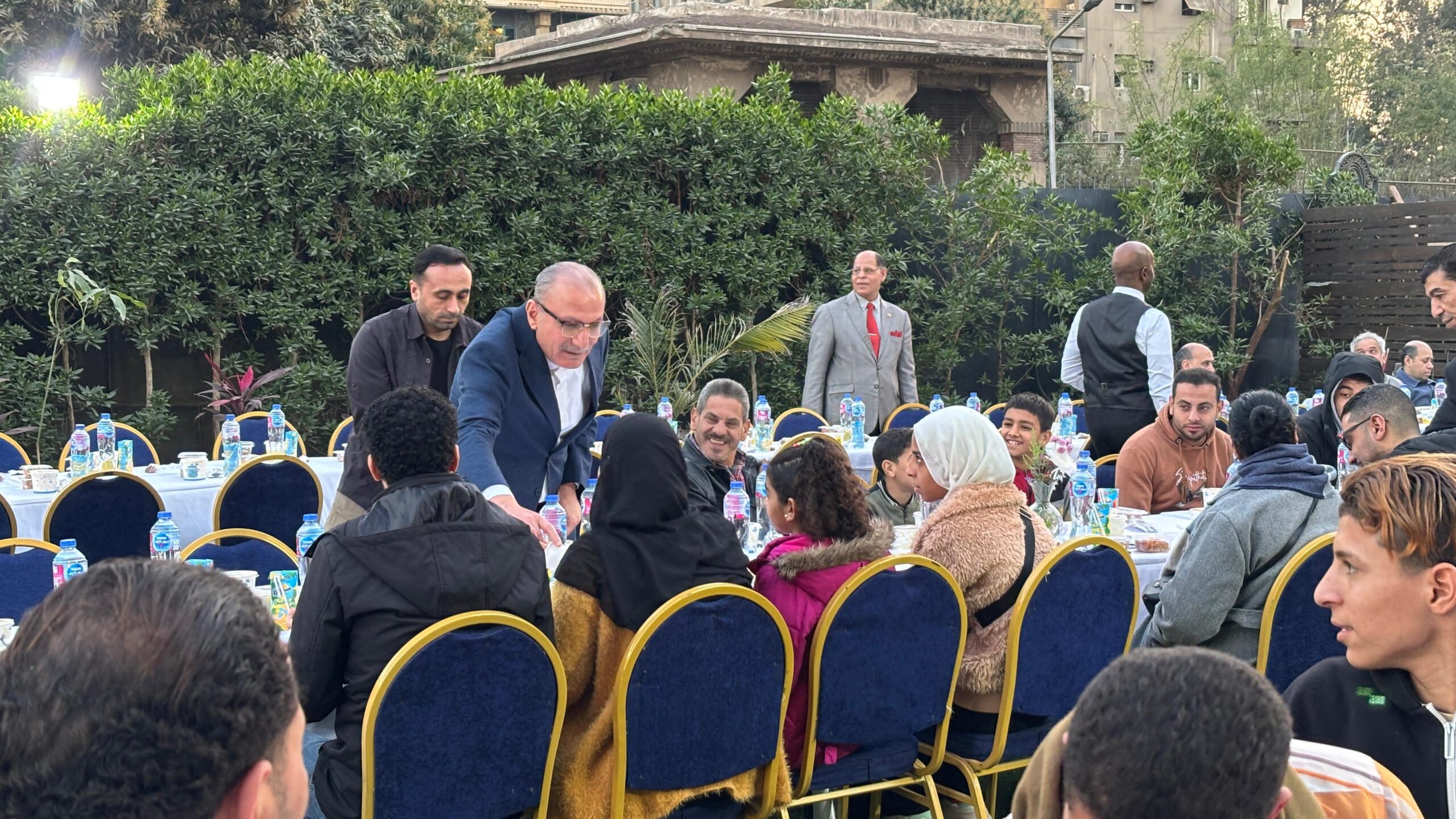
In his speech during the event, Turkey’s Ambassador to Cairo, Salih Mutlu Şen, highlighted the deep-rooted relations between the Turkish and Egyptian peoples, noting that “the two nations are close in heart, spirit, and faith.” The Ambassador expressed pride in hosting Egyptian guests on this blessed night, describing it as “both a great honor and a significant privilege.”
The Ambassador also addressed regional developments, noting that the region is undergoing a challenging phase amid ongoing conflicts that shake the Islamic world and cause widespread concern. He emphasized the importance of strengthening diplomatic channels and dialogue to achieve lasting solutions to conflicts, stressing the need to respect the sovereignty and territorial integrity of states and to avoid the use of force.
Furthermore, the Ambassador underscored the necessity of not forgetting the suffering in Gaza, pointing out that the scale of humanitarian aid remains insufficient. He highlighted the intensive efforts made by official institutions and civil society organizations in both Turkey and Egypt to deliver humanitarian assistance to the Strip.
In a humanitarian gesture, the Ambassador revealed that he had invited three families from Gaza to participate in the Iftar program as an expression of solidarity with them during these difficult times.
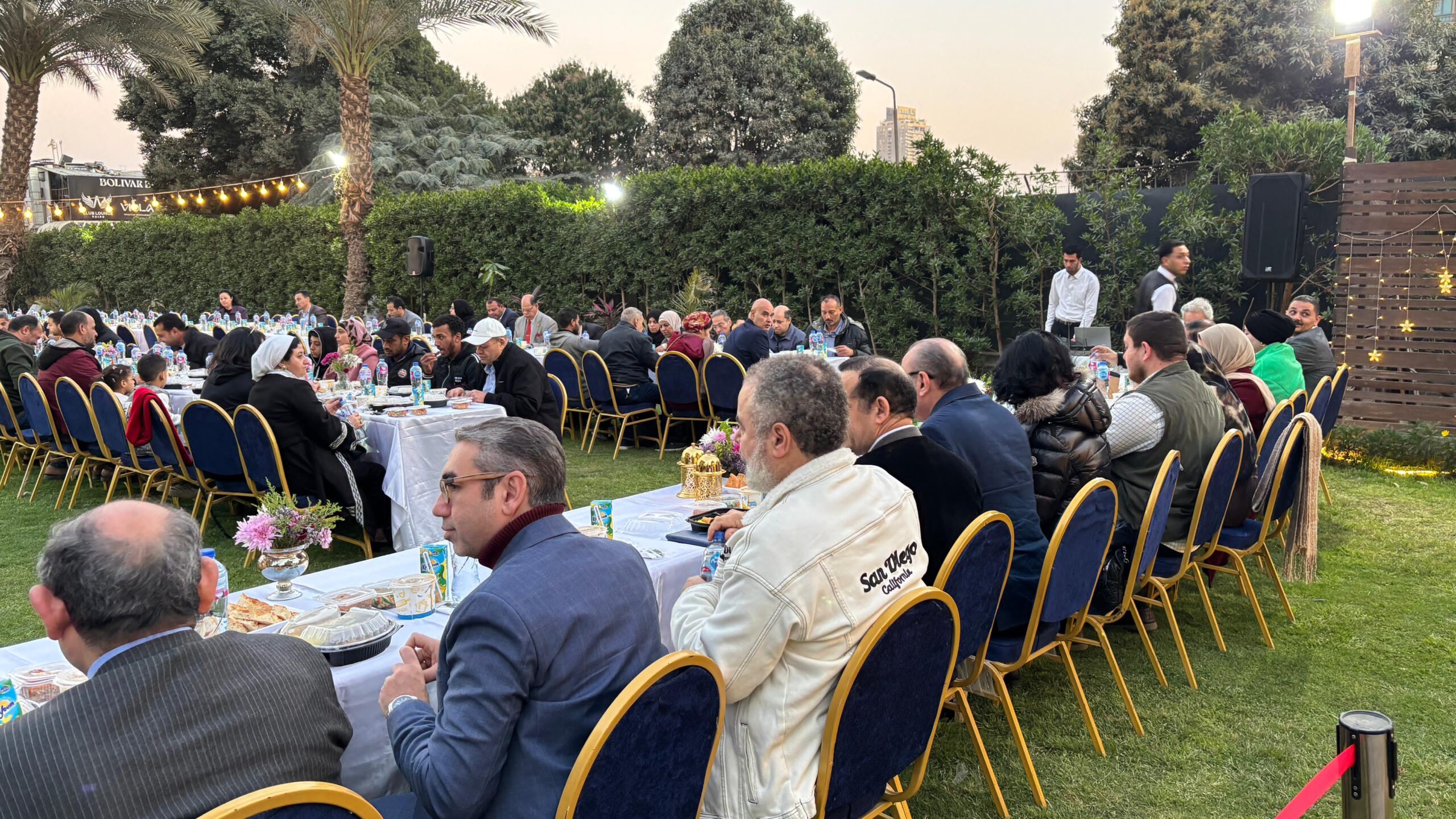
Concluding his speech, the Ambassador encouraged attendees to use this blessed night for prayers for peace and tranquility for both the Islamic world and humanity at large. He also extended early greetings for the upcoming Eid al-Fitr.
The event provided an opportunity to strengthen human and cultural ties between Egypt and Turkey, set within a Ramadan atmosphere that reflected the values of solidarity and brotherhood inherent in the holy month.
سحر رجب
أقامت سفارة الجمهورية التركية في القاهرة برنامج إفطار رمضاني بمناسبة ليلة القدر، بمشاركة نحو 250 مدعوًا من الشخصيات المصرية، إضافة إلى ممثلين عن الصحافة ووسائل الإعلام، في فعالية عكست أجواء روحانية ورسائل تضامن إنساني وسياسي.
ونُظم برنامج الإفطار في مقر إقامة السفير التركي بالقاهرة بالتعاون مع وقف “عزيز محمود هدائي”، حيث اجتمع الضيوف في أجواء رمضانية مميزة احتفاءً بليلة القدر، التي تحظى بمكانة خاصة في العالم الإسلامي.
وفي كلمة ألقاها خلال البرنامج، أكد سفير تركيا لدى القاهرة صالح موطلو شن عمق العلاقات التي تجمع بين الشعبين التركي والمصري، مشيرًا إلى أنهما “شعبان صديقان متقاربان قلبًا وروحًا ودينًا”. وأعرب السفير عن اعتزازه باستضافة الضيوف المصريين في هذه الليلة المباركة، معتبرًا ذلك “شرفًا وامتيازًا كبيرين”.
وتطرق السفير إلى الأوضاع الإقليمية، لافتًا إلى أن المنطقة تمر بمرحلة صعبة في ظل الحروب المستمرة التي تهز العالم الإسلامي وتثير القلق. وشدد على أهمية تعزيز قنوات الدبلوماسية والحوار مجددًا من أجل التوصل إلى حلول دائمة للنزاعات، مع ضرورة احترام سيادة الدول ووحدة أراضيها وتجنب استخدام القوة.
كما أكد السفير ضرورة عدم نسيان معاناة قطاع غزة، مشيرًا إلى أن حجم المساعدات الإنسانية المقدمة لا يزال دون المستوى المطلوب. وأوضح أن المؤسسات الرسمية ومنظمات المجتمع المدني في كل من تركيا ومصر تبذل جهودًا مكثفة لإيصال المساعدات الإنسانية إلى القطاع.
وفي لفتة إنسانية، كشف السفير أنه دعا ثلاث عائلات من غزة للمشاركة في برنامج الإفطار تعبيرًا عن التضامن معهم في هذه الظروف الصعبة.
وفي ختام كلمته، دعا السفير الحضور إلى اغتنام هذه الليلة المباركة بالدعاء من أجل السلام والطمأنينة للعالم الإسلامي وللعالم أجمع، كما هنأ الجميع مقدمًا بحلول عيد الفطر المبارك.
وشكلت الفعالية مناسبة لتعزيز الروابط الإنسانية والثقافية بين مصر وتركيا، في أجواء رمضانية عكست قيم التضامن والتآخي التي يحملها الشهر الفضيل.
سحر رجب
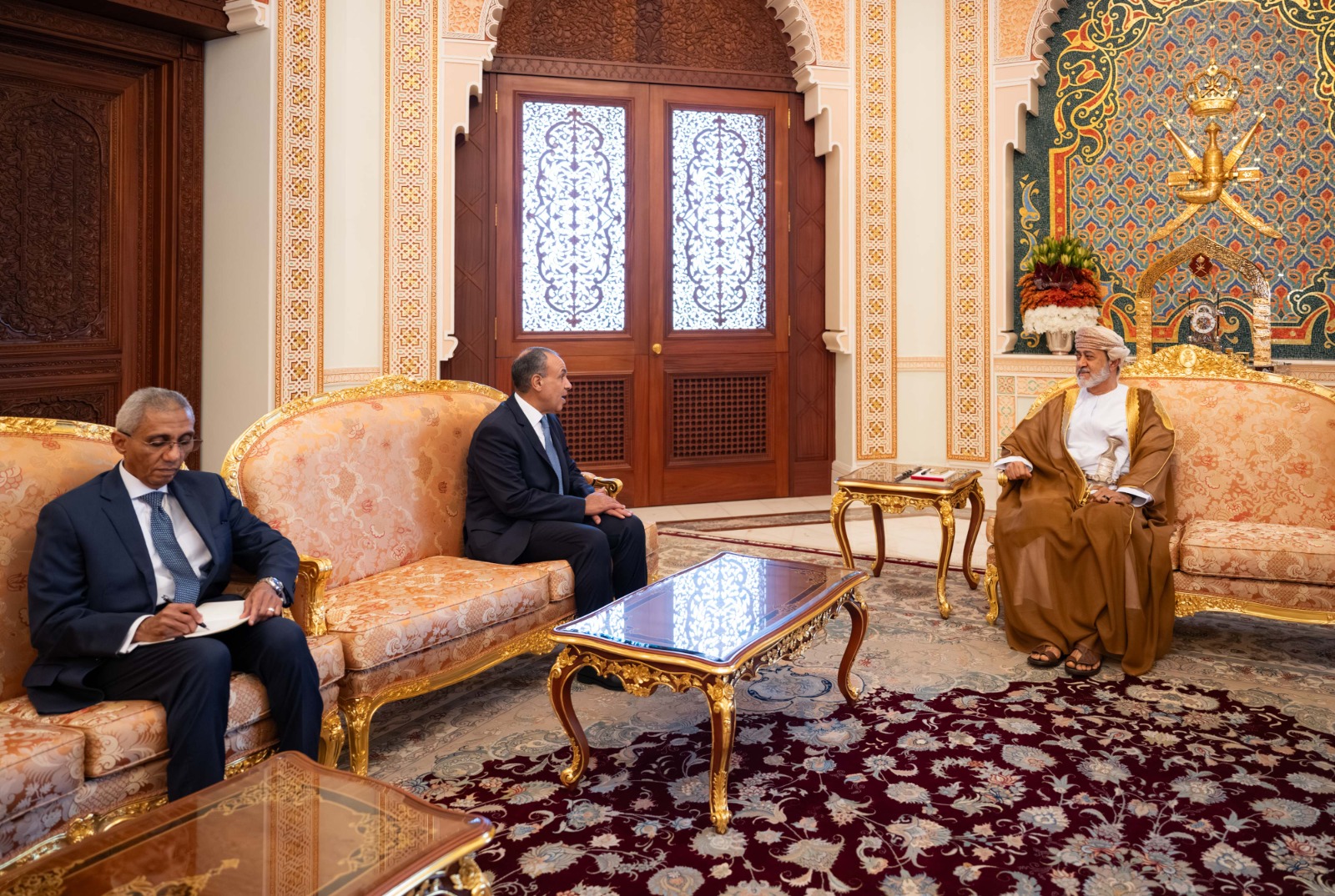
بتوجيهات من الرئيس عبدالفتاح السيسى، استقبل السُّلطان هيثم بن طارق سلطان عمان اليوم الاثنين بمسقط، الدكتور بدر عبدالعاطي وزير الخارجية والتعاون الدولي والمصريين بالخارج بجمهورية مصر العربية الشقيقة. عبدالعاطى المقابلة بنقل تحيات رئيس الجمهورية إلى سلطان عُمان، وتأكيده دعم مصر الكامل، قيادة وحكومة وشعباً، لسلطنة عُمان الشقيقة، والوقوف بجانبها فى هذا الظرف الاقليمى الدقيق.
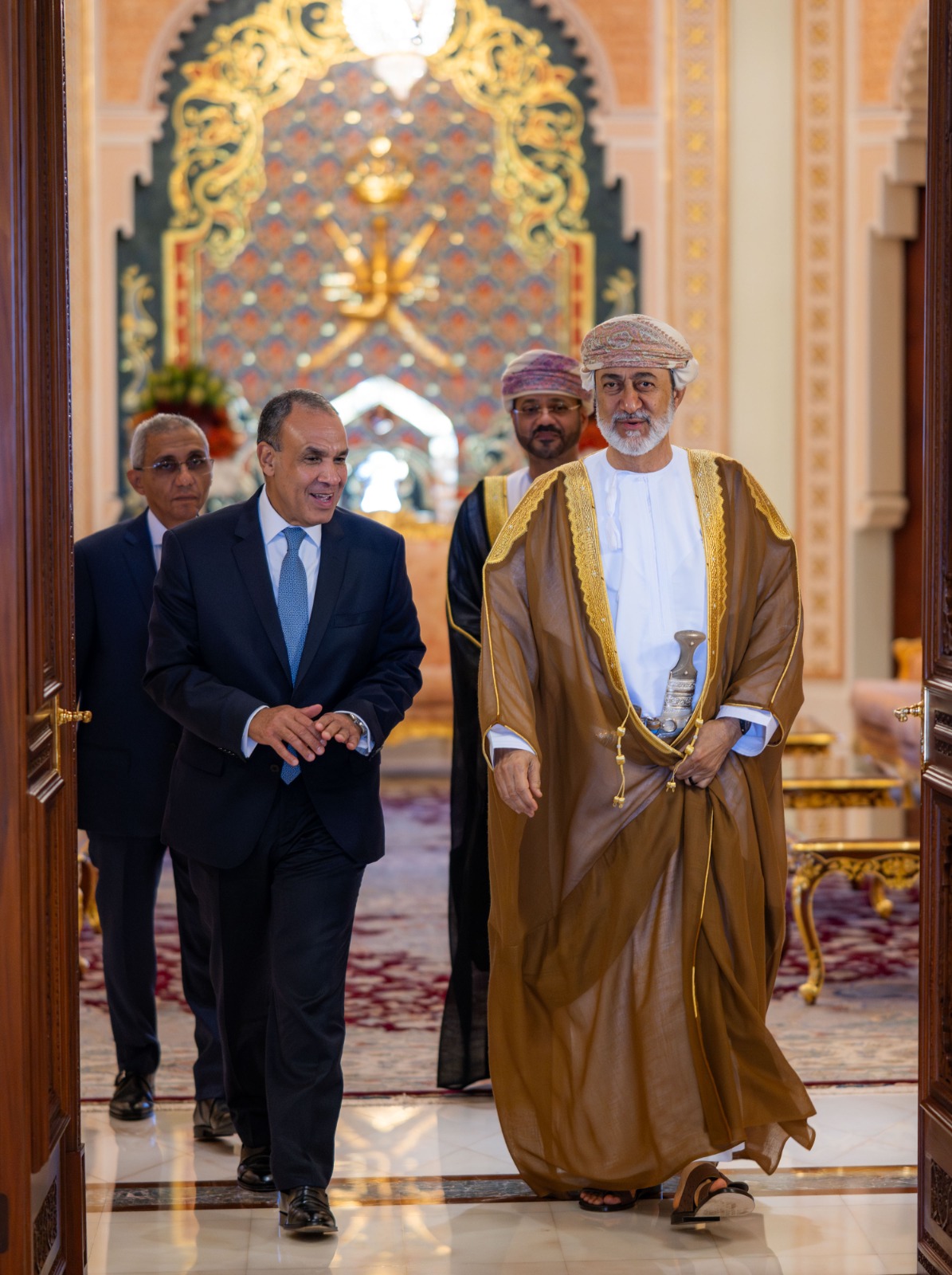
ونقل الوزير عبد العاطى إشادة القيادة السياسية بالحكمة البالغة للسلطان وجهوده المقدرة فى مجال الوساطة ودعم الامن والاستقرار فى المنطقة، مثمناً الإدارة الرشيدة له وممارسة سلطنة عمان أقصى درجات ضبط النفس خلال ظروف إقليمية صعبة لتجنب مزيد من زعزعة الاستقرار فى المنطقة.
من جانبه،طلب سلطان عُمان نقل تحياته وتقديره لرئيس الجمهورية وسياسته الحكيمة والمتوازنة، معرباً عن اعتزاز السلطنة بمواقف مصر المبدئية والداعمة لأمن واستقرار الخليج، مشيداً بدورها المحورى فى الدفاع عن الأمن القومى العربى وكونها ركيزة الاستقرار فى المنطقة.
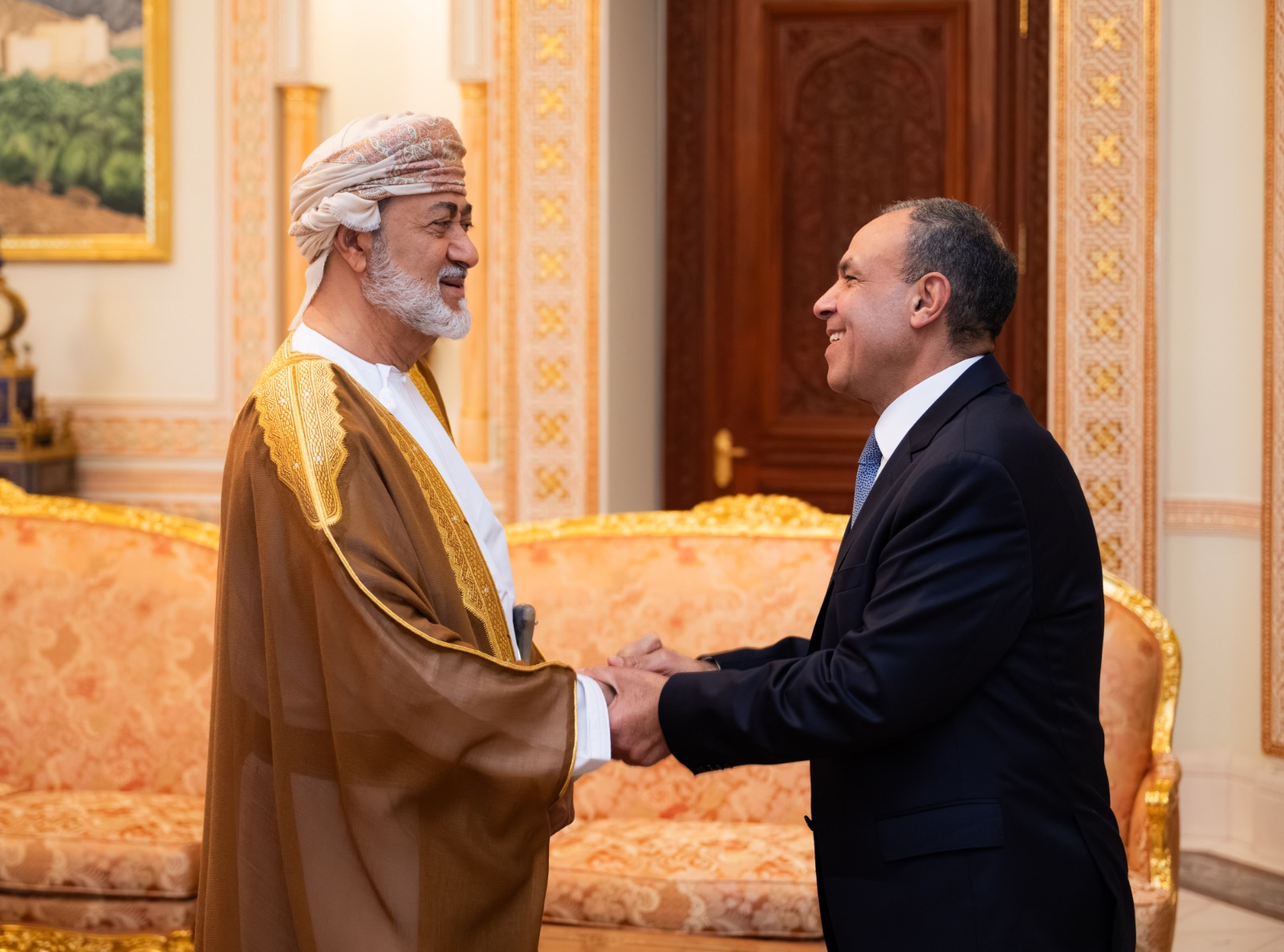
وقال السفير تميم خلاف المتحدث الرسمى باسم وزارة الخارجية، أن وزير الخارجية شدد خلال اللقاء على إدانة مصر القاطعة للاعتداءات على الأراضى العُمانية، مؤكداً الرفض التام لأية ذرائع تُساق لتبرير هذه الانتهاكات الصارخة للقانون الدولى وميثاق الأمم المتحدة، وأن أمن السلطنة والخليج العربى هو امتداد أصيل للأمن القومى المصرى.
وشهد اللقاء استعراضاً لمجريات الأوضاع الراهنة فى ظل وتيرة التصعيد العسكرى الخطيرة فى الإقليم، واهمية استمرار التنسيق والتعاون والعمل المشترك بين مصر وسلطنة عمان للعمل على احتواء التوتر وخفض التصعيد وإنهاء الحرب، والارتكان إلى الحلول الدبلوماسية وتغليب صوت الحكمة، للحيلولة دون تمدد رقعة المواجهات وانزلاق المنطقة إلى فوضى شاملة.

كما أكد الوزير عبد العاطى على أهمية إطلاق حوار عربى جاد حول الترتيبات الأمنية لمرحلة ما بعد الحرب.
فى ختام اللقاء، ثمن السلطان هيثم بن طارق المسار المتميز للعلاقات الثنائية، معربا عن تقديره لدور الشركات المصرية فى المشاركة فى عملية التحديث التى يقودها جلالته والتطلع لمواصلة تعزيز العلاقات الثنائية بما يلبى تطلعات الشعبين الشقيقين.
Wagdy Abd Azez
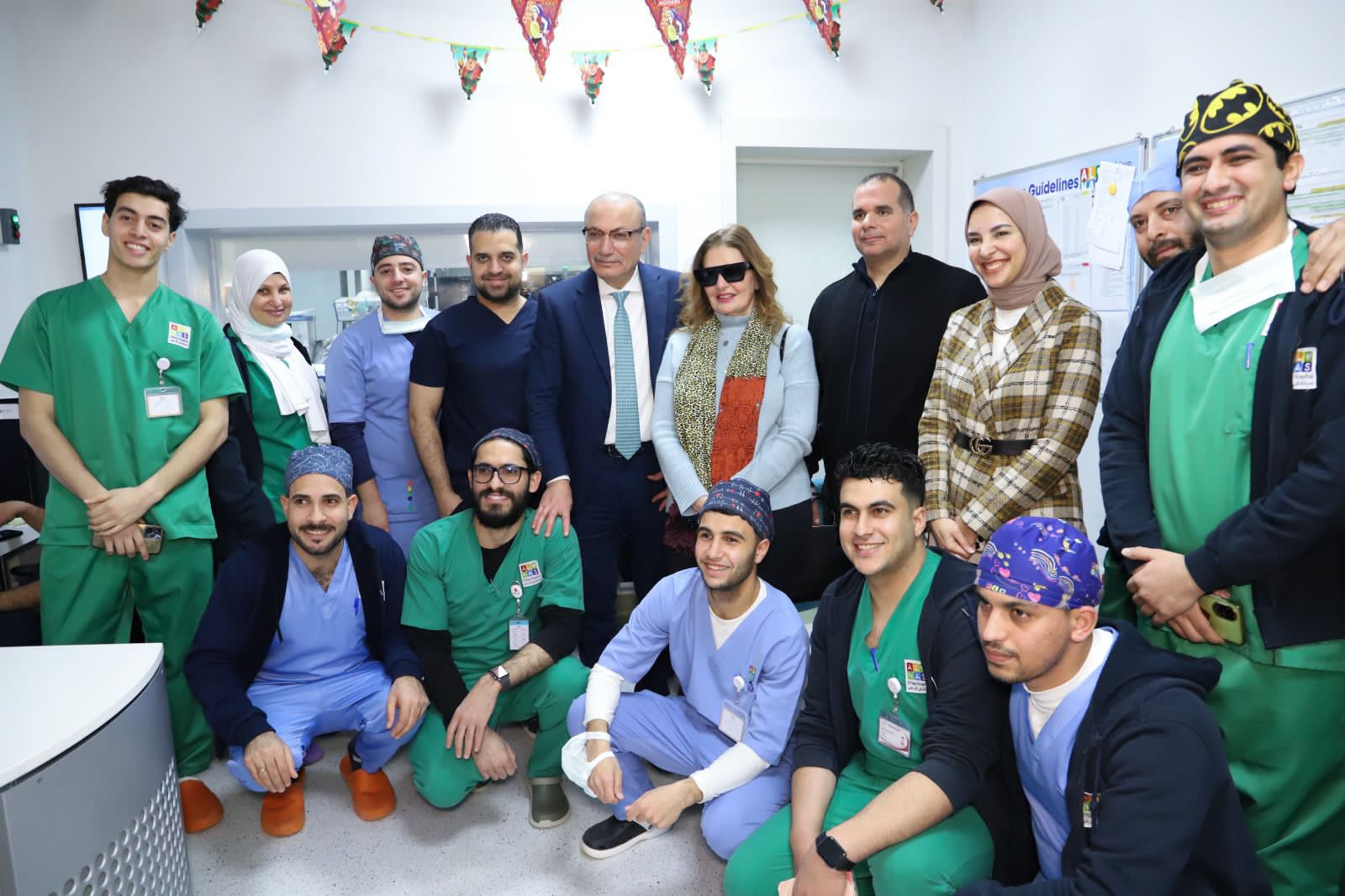
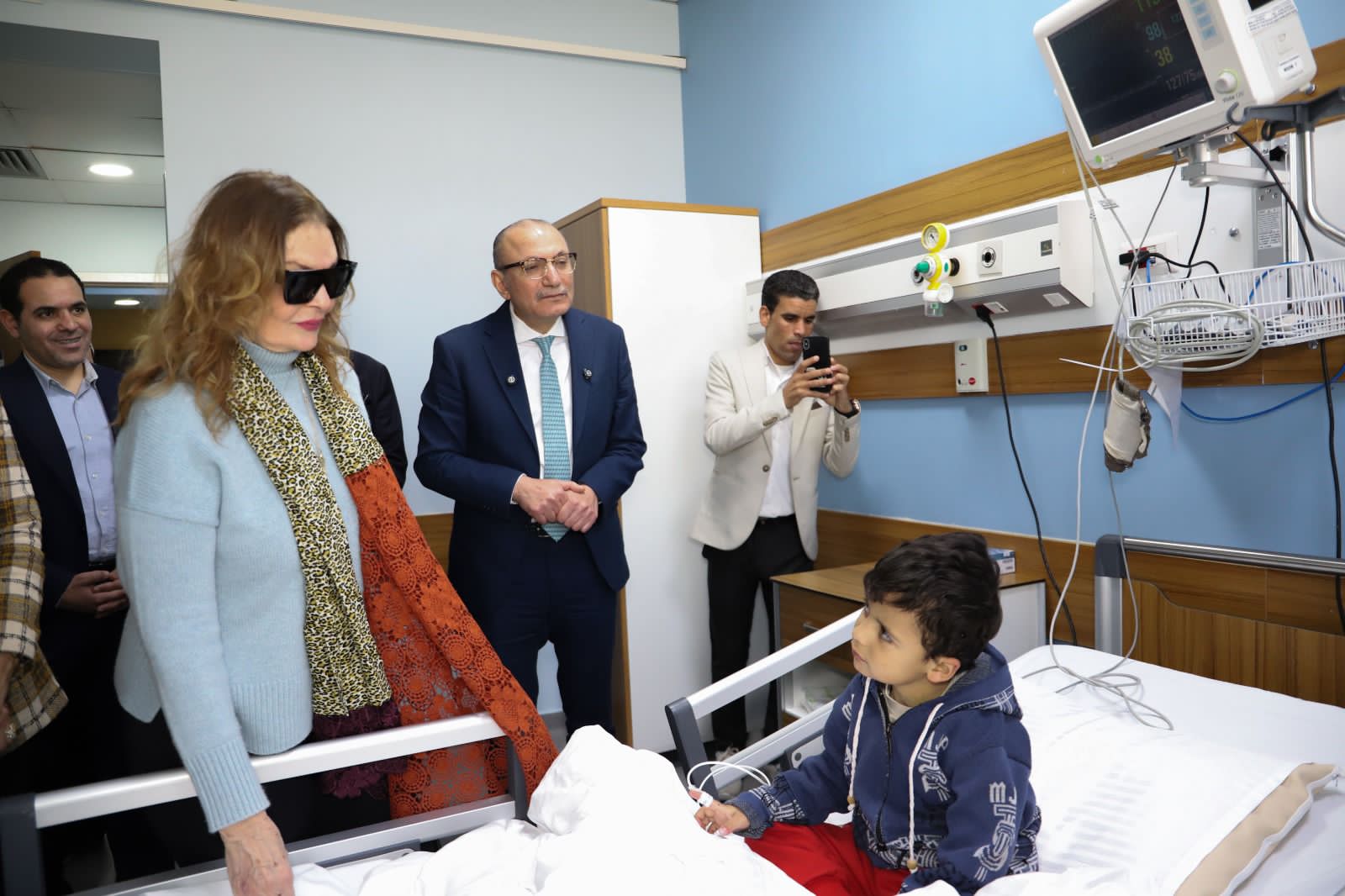
In a humanitarian gesture reflecting solidarity and support for charitable healthcare initiatives, the Ambassador of Turkey to Egypt, Salih Mutlu Şen, visited Al‑Nas Hospital located in Shubra El Kheima in Qalyubia, north of Cairo. During the visit, he met with adult and pediatric patients receiving treatment at the hospital.
During his visit, Ambassador Şen held a meeting with the hospital’s Executive Director, Hatem El-Molla, where he was briefed on the hospital’s activities and the healthcare services it provides. El-Molla accompanied the ambassador on a tour of several hospital departments, offering a detailed explanation of the services and medical work carried out there.
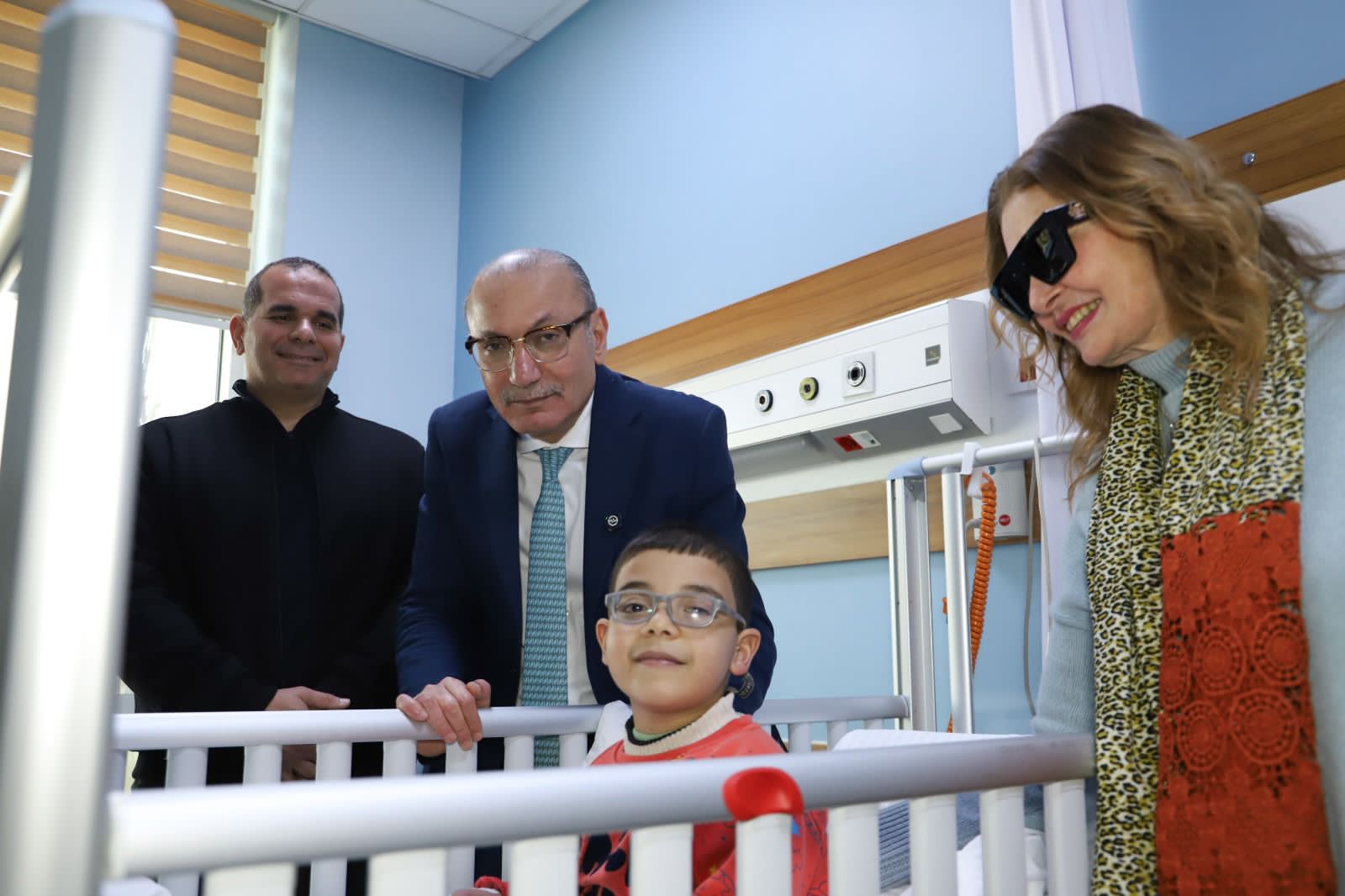
El-Molla highlighted that the hospital is equipped with the latest medical technologies and advanced equipment, emphasizing that the institution operates as a non-profit organization that provides all its medical services completely free of charge to patients.
The visit was also attended by renowned Egyptian actress Yousra along with several hospital officials, reflecting support from public figures for humanitarian and healthcare initiatives.
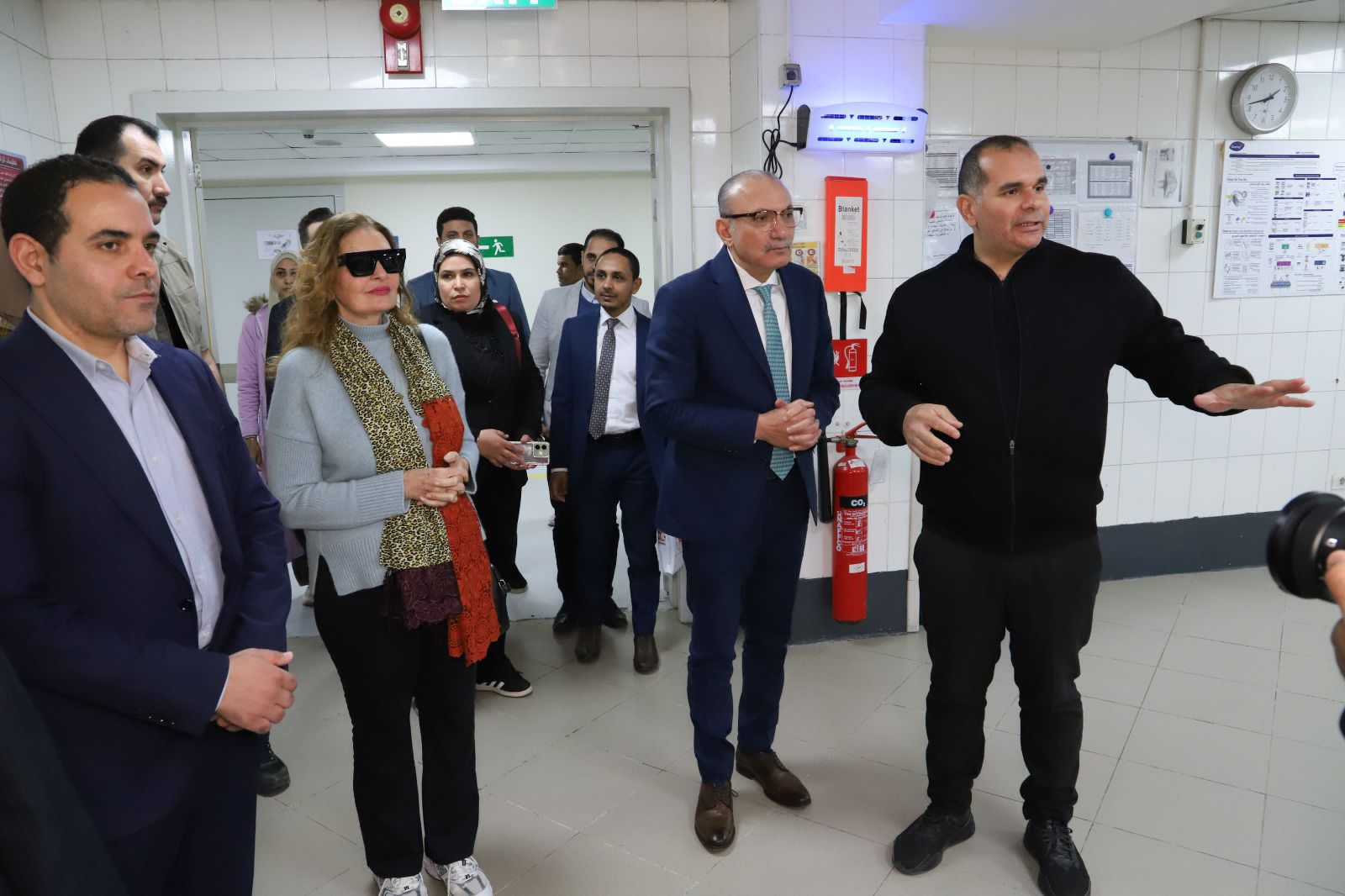
Hospital officials noted that Al-Nas Hospital is considered one of the largest medical centers in Africa and the Middle East specializing in the free treatment of heart diseases, digestive disorders, diabetes, and burn injuries. The hospital operates entirely through donations and has a capacity of 600 beds, including 140 beds in intensive care units. Children make up approximately 70% of the hospital’s patients, and the hospital also receives some patients arriving from Gaza Strip for medical treatment.
During the tour, Ambassador Şen visited the burn unit, the cardiac catheterization department, operating rooms, and the pediatric cardiology services. He also observed an ongoing heart surgery that was taking place during the visit. The ambassador took time to interact with young patients, offering them holiday gifts and wishing them and their families a speedy recovery.
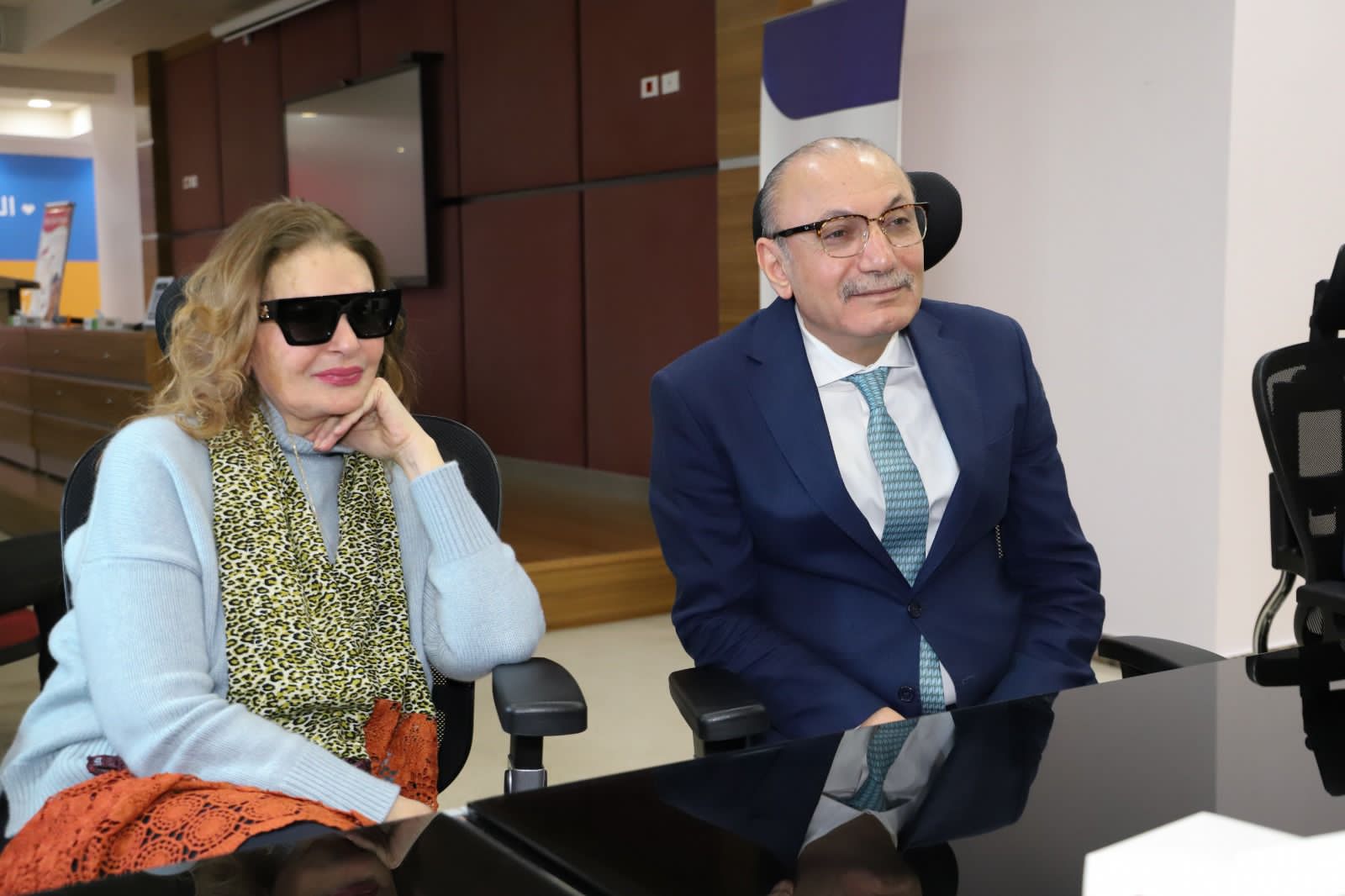
Commenting on the visit, Ambassador Şen expressed deep admiration for the hospital’s organization, the level of care provided, and the quality of its medical services. He stated that the purpose of the visit was to raise the morale of patients on the occasion of the blessed night of Laylat al‑Qadr, while also supporting this successful healthcare institution that provides high-quality services without any profit motive.
He also extended his appreciation to the doctors and healthcare workers at the hospital, praising their dedicated efforts in serving patients and delivering compassionate medical care.
سحر رجب
في لفتة إنسانية تعكس عمق العلاقات والتضامن الإنساني، قام سفير صالح موطلو شن سفير تركيا لدى القاهرة بزيارة إلى مستشفى الناس الخيري الواقع في منطقة شبرا الخيمة بمحافظة القليوبية شمال مصر، حيث التقى بعدد من المرضى البالغين والأطفال الذين يتلقون العلاج داخل المستشفى.
وخلال الزيارة، عقد السفير شن اجتماعًا مع المدير التنفيذي للمستشفى حاتم الملا، حيث اطلع على الأنشطة المختلفة التي يقدمها المستشفى والخدمات الصحية المتخصصة التي يوفرها للمرضى. ورافق الملا السفير التركي في جولة شملت أقسام المستشفى المختلفة، قدم خلالها شرحًا مفصلًا عن الخدمات الطبية والإمكانات المتاحة.
وأكد الملا أن المستشفى مجهز بأحدث الأجهزة والمعدات الطبية والتقنيات الحديثة، مشيرًا إلى أن المؤسسة تعمل كنموذج للعمل الخيري غير الهادف للربح، حيث تقدم خدماتها الطبية مجانًا بالكامل لجميع المرضى دون تمييز.
وشهدت الزيارة حضور الفنانة المصرية البارزة يسرا وعدد من مسؤولي المستشفى، في إطار دعم المبادرات الإنسانية والصحية التي تقدمها المؤسسة.
وأوضح مسؤولو المستشفى أن مستشفى الناس الخيري يعد من أكبر المراكز الطبية في أفريقيا والشرق الأوسط المتخصصة في علاج أمراض القلب والجهاز الهضمي والسكري والحروق مجانًا. ويعمل المستشفى بالكامل من خلال التبرعات، ويضم نحو 600 سرير، من بينها 140 سريرًا مخصصًا لوحدات العناية المركزة. ويشكل الأطفال ما يقرب من 70% من إجمالي المرضى الذين يتلقون العلاج، كما يستقبل المستشفى عددًا من المرضى القادمين من قطاع غزة لتلقي الرعاية الطبية.
وخلال جولته، تفقد السفير التركي وحدة الحروق وقسم قسطرة القلب وغرف العمليات ووحدة قلب الأطفال، كما تابع إجراء عملية جراحية للقلب كانت تُجرى أثناء الزيارة. وحرص السفير شن على التفاعل مع الأطفال المرضى، حيث تحدث معهم وقدم لهم “العيدية”، متمنيًا لهم الشفاء العاجل ودوام الصحة.
وفي تصريح له عقب الزيارة، أعرب السفير شن عن تأثره الكبير بمستوى التنظيم داخل المستشفى وجودة الرعاية الصحية المقدمة للمرضى، مشيرًا إلى أن هدف الزيارة هو رفع الروح المعنوية للمرضى بمناسبة ليلة القدر المباركة، ودعم هذه المؤسسة الصحية الرائدة التي تقدم خدمات طبية عالية الجودة دون أي هدف ربحي.
كما وجه السفير التركي تحية تقدير وامتنان للأطباء والعاملين في القطاع الصحي داخل المستشفى، مشيدًا بجهودهم المخلصة في خدمة المرضى وتقديم الرعاية الطبية الإنسانية.
Ap –
More than 50 cultural heritage sites across Iran were damaged during two weeks of strikes by the United States ِand Israel, according to Iran’s cultural heritage ministry.
Officials said on Sunday that 56 sites were affected, including museums, historic government buildings, traditional bazaars and mosques across the country. The damage highlights concerns about the impact of military operations on historically significant landmarks.
Among the locations cited were the ornate Golestan Palace, a Qajar-era royal complex in Tehran, as well as the Shah Abbas Mosque and the 17th-century Chehel Sotoun palace in Isfahan. These landmarks are considered important symbols of Iran’s architectural and cultural heritage.
The ministry also reported damage to sites in several provinces, including Kurdistan Province, Lorestan Province and Kermanshah Province. Authorities did not immediately detail the extent of destruction at each location, but said assessments are ongoing.
Cultural officials warn the damage could have long-term consequences for preservation efforts and for the protection of historic sites during times of conflict.