
By: WAgdy Abdel AZiz
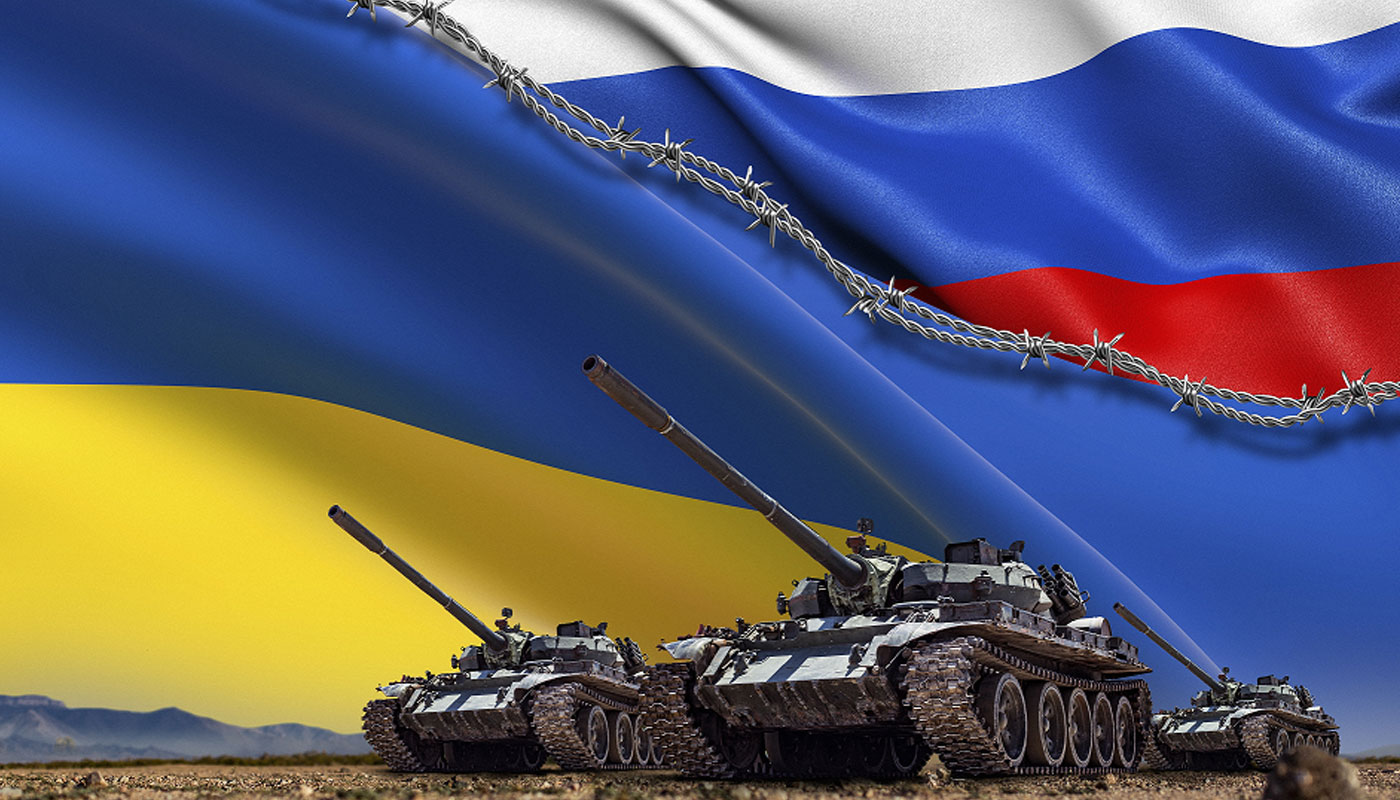
In a dramatic development reigniting tensions in Eastern Europe, the Kremlin announced today, Friday, September 12, 2025, a “temporary suspension” of communications between Russian and Ukrainian delegations in peace talks, amid mutual accusations of “lack of seriousness” from the Ukrainian side. At the same time, Russia’s Foreign Ministry revealed plans for the 13th edition of the “International Meeting of High Representatives for Security Issues” in Moscow on September 17, attended by more than 125 delegations from around 100 countries, in an effort to bolster Moscow’s influence as a global mediator amid the ongoing war since 2022. This announcement comes after weeks of military escalation, including Russian airstrikes on Poland, raising questions about whether the summit is a step toward peace or merely a diplomatic maneuver.
Talks Suspension: “Pause” Resets Eastern Front to Square One
Kremlin spokesman Dmitry Peskov confirmed in an official statement that “communications between the Russian and Ukrainian negotiating teams are currently on hold,” attributing the reason to “external interferences” from European and American countries, according to reports from Kyiv and Moscow. Peskov added that Russia remains “open to diplomatic dialogue,” but warned that “patience is wearing thin” if Kyiv continues to reject Moscow’s conditions, such as Ukraine’s neutrality and non-membership in NATO.
From its side, the Ukrainian government in Kyiv denied any responsibility for the halt, describing the Russian announcement as “a pretext for military escalation.” President Volodymyr Zelenskyy stated on X: “Russia is manipulating peace for propaganda purposes while continuing to bombard our cities.” This suspension follows the failure of previous rounds in Istanbul and Turkey, where talks stalled in March 2022 over disputes regarding Russia’s withdrawal from Donbas.
Moscow Security Summit: 100 Countries Confront the “Unipolar Order”
In a move aimed at promoting Russia as a force for multipolarity, the Russian Foreign Ministry announced that the International Meeting of High Representatives for Security Issues will bring together more than 125 delegations from approximately 100 countries, focusing on “rebuilding the global security architecture” away from “Western hegemony.” The annual event, held since 2014, will feature broad participation from African, Asian, and Latin American nations, including representatives from BRICS and the Shanghai Cooperation Organization, per ministry statements.
The agenda is expected to emphasize issues such as “regional security in Europe” and “countering terrorism,” with indirect references to the Ukraine crisis. Spokeswoman Maria Zakharova described the summit as “proof of the collapse of the Western order,” stressing that “Southern countries reject American blackmail.” However, NATO countries like Poland and France have declined participation, viewing the event as a “Kremlin propaganda platform.”
International Reactions: From Welcome to Warnings
Countries like China and India welcomed the summit as an opportunity for “multilateral dialogue,” while U.S. President Donald Trump warned that “our patience with Putin is running out quickly,” alluding to the need for “military pressure” on Moscow. In Europe, French President Emmanuel Macron reaffirmed solidarity with Poland after a recent Russian raid, calling for a “decisive NATO response.”
On X, the posts sparked heated debate, with Ukrainian activists calling for an “immediate halt to the killing” and Russian accusations that “the West is obstructing peace.” Analysts see the suspension and summit as Russia’s attempt to regain the initiative ahead of winter, anticipating military escalation in Donbas.
As the summit approaches, eyes are on whether it will bridge the gap for resuming talks or serve as a show of strength.
Poland
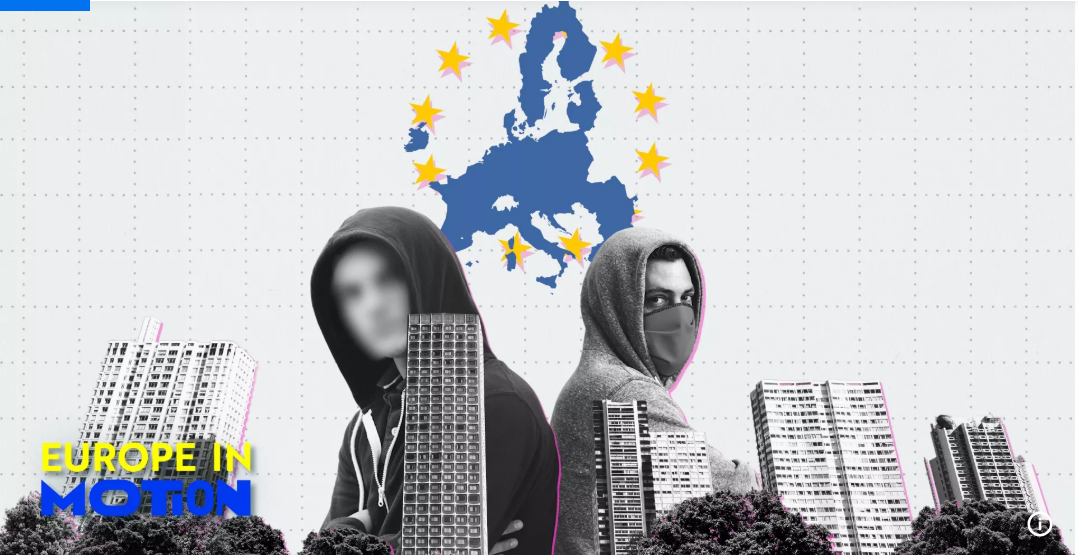
‘Gang crime on the rise: Which European countries have the most dangerous neighbourh?oods
Muhhamad Yehia
Violence is often drug-related, particularly in Belgium, the Netherlands, Spain, Germany and France.
A February briefing by the European Parliamentary Research Service (EPRS) has warned that gang violence is increasing across the EU, a phenomenon linked to “escalating competition between rival criminal groups”.
One of the most concerning trends is the recruitment of minors into organised crime and terrorism groups, which recently prompted countries like Sweden to introduce legislation to wiretap children under the age of 15, in an effort to block a wave in bombings – at least 36 since the beginning of 2025.
According to the latest Eurostat data, 10% of EU citizens reported experiencing crime, violence or vandalism in their local area, 12.3% if we consider the segment of people at risk of poverty.
“Even though Europe is still one of the continents least affected by organised crime, criminal networks are expected to increase their global reach, become more fluid and digitalised, and thus more open to diversity and competition”, said the briefing, adding that “this may, in turn, lead to even more organised crime-related viole
In general, the highest rates of people reporting local violence, crime or vandalism were found in Greece (20.9%), the Netherlands (16.7%), Bulgaria (15.6%), France (14.7%), Spain (13.6%) and Belgium (12.5%).
Greece, in particular, has experienced a surge in football fan violence in recent years, which led to lengthy stadium closures and new measures tightening fan club regulation and tickets.
On the other end of the spectrum, Croatia, Lithuania, Poland, Slovakia and Estonia emerged as the safest countries, all reporting local crime rates below 5%.
Poland will not implement Migration Pact, Donald Tusk tells Ursula von der Leyen
Muhamad Yehia
Donald Tusk has once again criticised the Pact on Migration and Asylum and doubled down on his refusal to comply with the legislation.
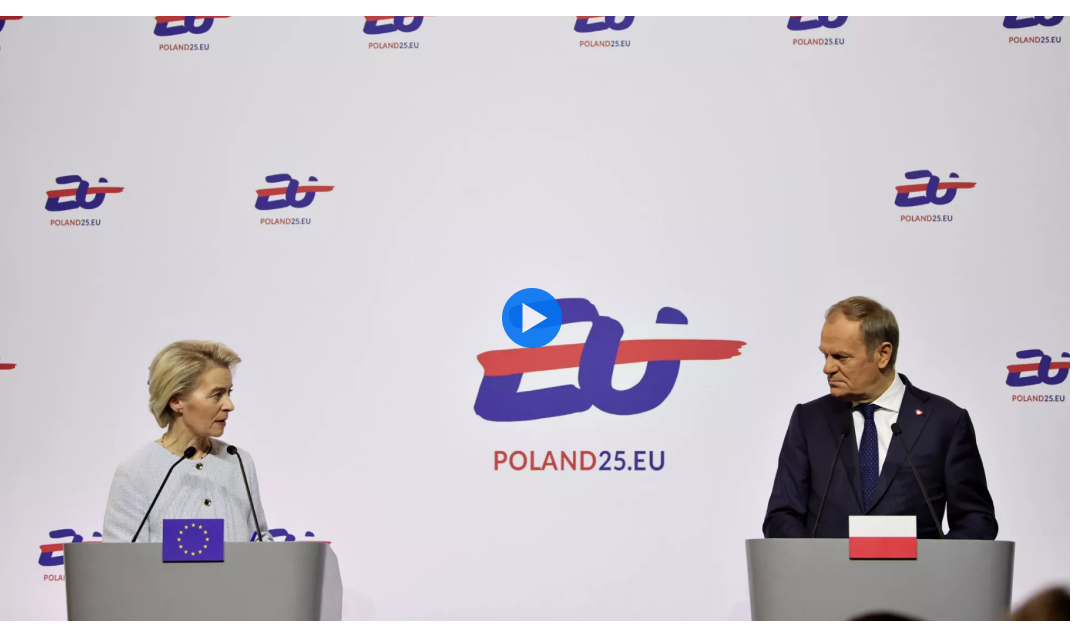
Poland will not implement the Pact on Migration and Asylum, the all-encompassing reform the European Union has introduced to collectively manage the irregular arrival of asylum seekers, Prime Minister Donald Tusk said on Friday, speaking right next to the main proponent of the legislative overhaul, Ursula von der Leyen.
The Pact, which is legally binding for all 27 member states, is expected to enter into force in 2026, although some countries are keen to activate certain elements before then.
Its central pillar is a novel mechanism of “mandatory solidarity” that will give governments three different options: relocate a certain number of asylum seekers, pay a financial contribution or provide operational support, like personnel and equipment. The relocations need to reach 30,000 per year and the financial contributions, €600 million.
From the start to the end of the negotiations, Poland, together with Hungary, firmly opposed the Pact, as a whole, and the solidarity mechanism, in particular, claiming it would force them to take in migrants against their will. The Commission pushed back against these claims and stressed no mandatory relocations would ever take place, as the system is based on three different options
On Friday, Donald Tusk doubled down on this intense dislike for the Pact, flat-out telling von der Leyen, the president of the European Commission, that he would defy the legislation. The reason for this, he said, is because his country already hosts a large number of Ukrainian refugees who fled Russia’s invasion, “which puts us in a very particular position.”
“Poland will not implement the Migration Pact in a way that would introduce additional quotas of immigrants in Poland,” the Polish prime minister said in a joint press conference.
“We are ready to cooperate with everyone to protect Europe from illegal migration. However, Poland will not take on any additional burdens. We have already taken on more than anyone could have imagined just a few years ago.
Tusk noted his country would comply with other European laws that “help against illegal migration” but would forego the reform.
“The mechanism of relocation is not a mechanism protecting Europe against illegal migration,” he said. “The Pact is not the way to reduce illegal migration.”
The premier said that, despite his “friendship” with von der Leyen (both are members of the centre-right European People’s Party), he would not be swayed by “sentiments”.
“Poland will not accept any burdens related to the relocation mechanism. This is not an ideological debate. Poland is in a very particular situation. We’re under huge pressure from illegal migration,” he went on, referring to the migration flows that Belarus and Russia have instrumentalised at the Eastern border.
“If somebody says that Poland is expected to shoulder an additional burden, irrespective of who says that, my response is Poland will not accept an additional burden. Full stop.”
‘Hybrid threat’
Standing by his side, Ursula von der Leyen, who previously hailed the Pact as a “historic” achievement to ensure burden-sharing across the bloc, said the European Commission would bear in mind the number of Ukrainian refugees hosted in Poland.
“Poland has shown, and is showing, extraordinary solidarity with Ukraine and hosting the largest number of Ukrainian refugees (for) almost three years now and this is something which absolutely has to be taken into account,” the Commission president said.
“This is something (that) the European Union will take not only into account but also respect this extraordinary solitary.”
Under the Pact, countries considered to be under “migratory pressure” will benefit from solidarity measures. For example, they could have some asylum seekers relocated to another member state or receive financial support and equipment. Moreover, they could benefit from a partial or total exemption from the system, meaning they will not be asked to relocate migrants within their territory or chip into the common fund.
The exemptions have not yet been announced and will only be made official after the legislation enters into force and the Commission publishes its annual report assessing the level of migratory pressure.
By making such a forceful case, Tusk appears to be pre-empting the Commission’s process and ensuring Poland secures a complete exemption by default.
It is not clear if a country that refuses to implement the Pact would benefit from the solidarity measures offered by other countries who do implement the Pact.
The Commission has previously threatened to open legal proceedings against member states that ignore the reform, insisting the legislation is binding for all 27, even those who voted against it. On Friday, von der Leyen refrained from echoing that position.
This is not the first time that Brussels has adapted its thinking to Warsaw’s.
Last year, after Tusk pitched a new plan to temporarily suspend the right to asylum in cases of instrumentalised migration, the Commission went on the record to stress all member states had an “obligation to provide access to the asylum procedure.”
As Tusk held his ground and gained political support, the Commission relented and eventually published guidelines to allow the suspension of fundamental rights in “exceptional” circumstances and for what is “strictly necessary.”
“This is not a question of migration, this is a question of national security,” von der Leyen said. “We see it as a hybrid threat.”
Friday’s visit of the College of Commissioners to Gdańsk took place in the framework of Poland’s six-month presidency of the EU Council, set to run until the end of June.
The presidency’s motto is: “Security, Europe!”